
A Thousand Splendid Suns
A Thousand Splendid Suns is a 2007 historical fiction novel by Afghan-American author Khaled Hosseini, published on May 22, 2007, by Riverhead Books and Simon & Schuster. It is Hosseini’s second novel, following the phenomenal success of his debut The Kite Runner. The book spans thirty years of Afghan history, from the 1960s through the early 2000s, covering the Soviet invasion, civil war, Taliban rule, and the aftermath of the U.S. invasion. Rather than centering on political events, the novel focuses on the intimate lives of two women, Mariam and Laila, whose paths cross in a shared household in war-torn Kabul. Their story is a testament to the resilience of the human spirit under the most brutal conditions.
The plot unfolds in two interwoven narratives. Mariam, the illegitimate daughter of a wealthy businessman and his maid, grows up in a remote hut outside Herat. At fifteen, after her mother’s suicide, she is forced into marriage with a much older shoemaker named Rasheed, who takes her to Kabul. Over the years, Mariam endures his abuse, multiple miscarriages, and a life of servitude. Meanwhile, Laila is born into a relatively progressive family in Kabul; she is educated and has a close friendship with a boy named Tariq. The Soviet invasion brings chaos, and when Laila’s parents are killed by a rocket, she is rescued by Rasheed, who tricks her into believing Tariq is dead. Desperate and pregnant with Tariq’s child, Laila agrees to marry Rasheed, becoming his second wife. Initially, Mariam and Laila are hostile toward each other, but as they share Rasheed’s cruelty and the horrors of war, they forge a deep bond. Laila gives birth to a daughter, Aziza, and later a son, Zalmai. Years later, Tariq returns, revealing the lie. In a violent confrontation, Rasheed attacks Laila; Mariam kills him with a shovel. She then insists Laila and Tariq escape with the children, while she stays to face the Taliban. Mariam is executed in a public stadium, but her sacrifice gives Laila a new life. The novel ends with Laila returning to Kabul, finding Mariam’s father’s letter, and visiting the old mud hut, finally understanding the depth of Mariam’s hidden love.
The novel’s central themes include the oppression of women under patriarchal and fundamentalist regimes, the endurance of hope in the face of despair, and the transformational power of female solidarity. The title derives from a 17th-century Persian poem that describes Kabul as having “a thousand splendid suns” behind its walls—a metaphor for the hidden strength and beauty of Afghan women. Hosseini also explores the cost of war on civilian life, the loss of home and identity, and the redemptive possibility of self-sacrifice.
Hosseini wrote the novel after reading about the restrictions on women under the Taliban and feeling compelled to give voice to their suffering. He conducted extensive research, including interviews with Afghan refugees and survivors. The book was an immediate critical and commercial success, selling over 15 million copies worldwide and being translated into more than 40 languages. It has been praised for its unflinching yet compassionate portrayal of Afghan women, though some critics have noted its often melodramatic tone and certain narrative conveniences. Regardless, the novel has had a lasting influence: it introduced millions of readers to the human realities behind the headlines, spurred humanitarian interest in Afghanistan, and became a staple in book clubs and classrooms. Today, A Thousand Splendid Suns is considered a modern classic of war literature and a landmark work in the depiction of women’s lives in conflict zones.
About the Author
Khaled Hosseini was born on March 4, 1965, in Kabul, Afghanistan, the eldest of five children. His father was a diplomat at the Afghan Ministry of Foreign Affairs, and his mother taught Persian literature at a girls' school. Hosseini grew up in the affluent Wazir Akbar Khan district of Kabul, in a cosmopolitan environment that valued literature and the arts. He was deeply influenced by classical Persian poetry, Indian and American films, and the traditional Afghan sport of kite fighting, which he would later immortalize in his debut novel. The family moved to Tehran in 1970, returned to Kabul in 1973, and then relocated to Paris in 1976 after his father was posted to the Afghan embassy. The Soviet invasion of Afghanistan in 1979 prevented their return, and they sought political asylum in the United States, settling in San Jose, California, in 1980. The transition was difficult, and Hosseini’s family struggled financially.
Hosseini graduated from high school in 1984 and attended Santa Clara University, where he earned a degree in biology. He then entered the University of California, San Diego, School of Medicine, receiving his M.D. in 1993. He worked as an internist for over a decade, but his passion for writing never waned. In 1999, he read a news report about the Taliban banning kite flying, which sparked a short story that eventually grew into his first novel, The Kite Runner, published in 2003. The novel was an international bestseller, winning numerous awards and launching Hosseini into literary stardom. He left medicine soon after to write full-time. His second novel, A Thousand Splendid Suns (2007), solidified his reputation as a master storyteller, followed by And the Mountains Echoed (2013) and a children’s book, Sea Prayer (2019).
Hosseini’s works are known for their vivid, emotional portrayals of Afghan life, focusing on themes of guilt, redemption, sacrifice, and the enduring bonds of family and friendship. He has been praised for giving a voice to the voiceless, particularly Afghan women and refugees. Hosseini has received numerous humanitarian awards, including the United Nations Humanitarian Award and the John Steinbeck Award, and was appointed a Goodwill Envoy for the UNHCR. He founded the Khaled Hosseini Foundation, which provides humanitarian aid to Afghanistan. He lives in Northern California with his wife, Roya, and their two children. His books have sold over 50 million copies worldwide, translated into more than 70 languages, making him one of the most influential contemporary authors. Hosseini remains active in writing and humanitarian work, continuing to shine a light on the people of Afghanistan.
StoryFlow
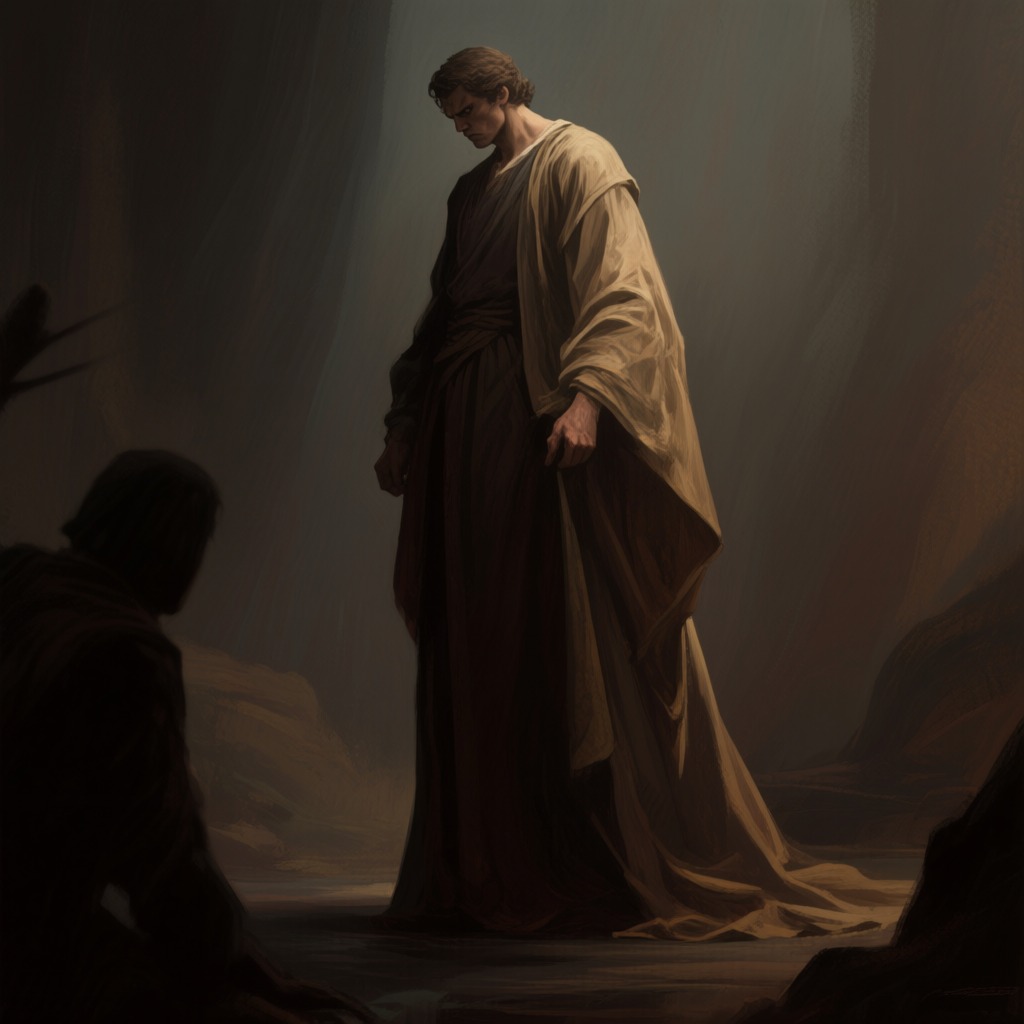
Mariam's Journey from Harami to Martyr
Traces Mariam's life from her illegitimate birth in a kolba, through her forced marriage to Rasheed, her decades of suffering, to her final act of killing Rasheed and her execution by the Taliban.
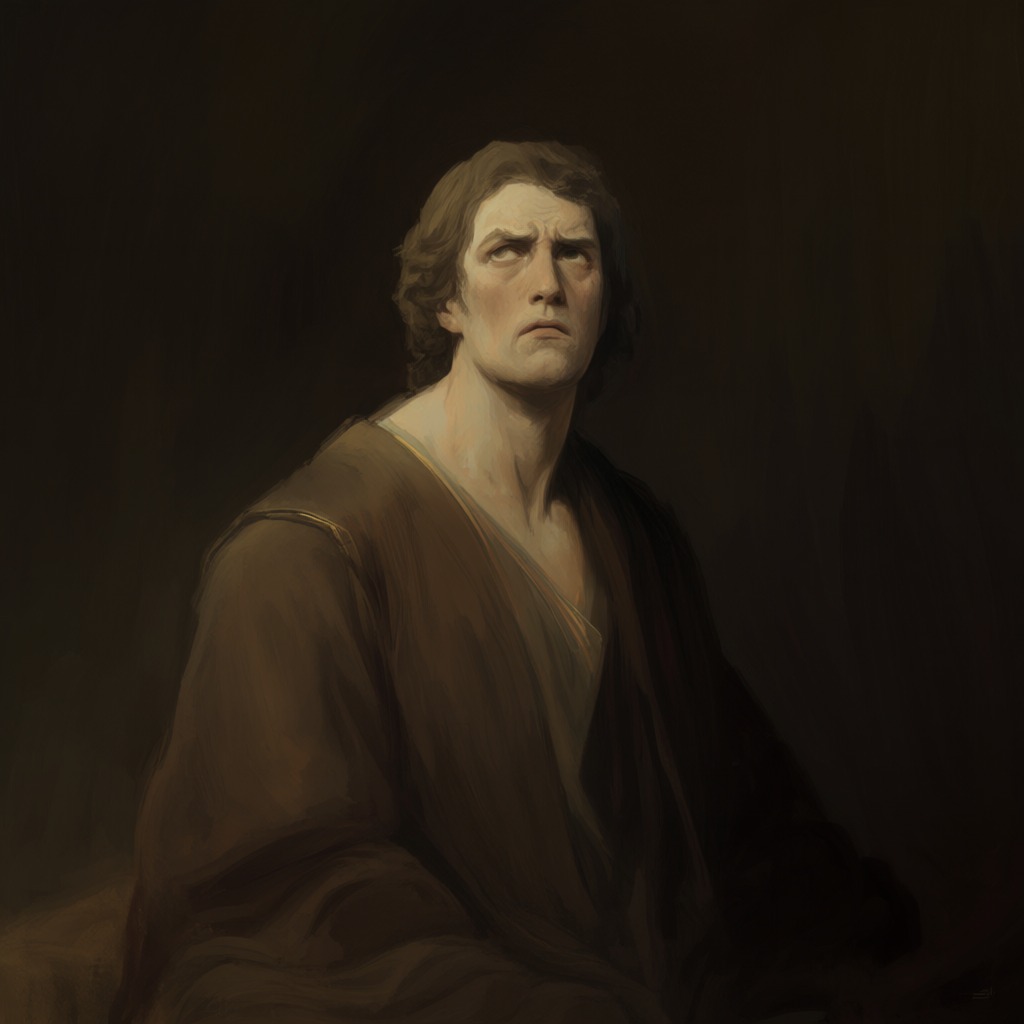
Laila's Journey from Orphan to Teacher
Follows Laila's life from a bright childhood in Kabul, through the loss of her parents and her forced marriage to Rasheed, to her eventual reunion with Tariq and her return to rebuild her life.
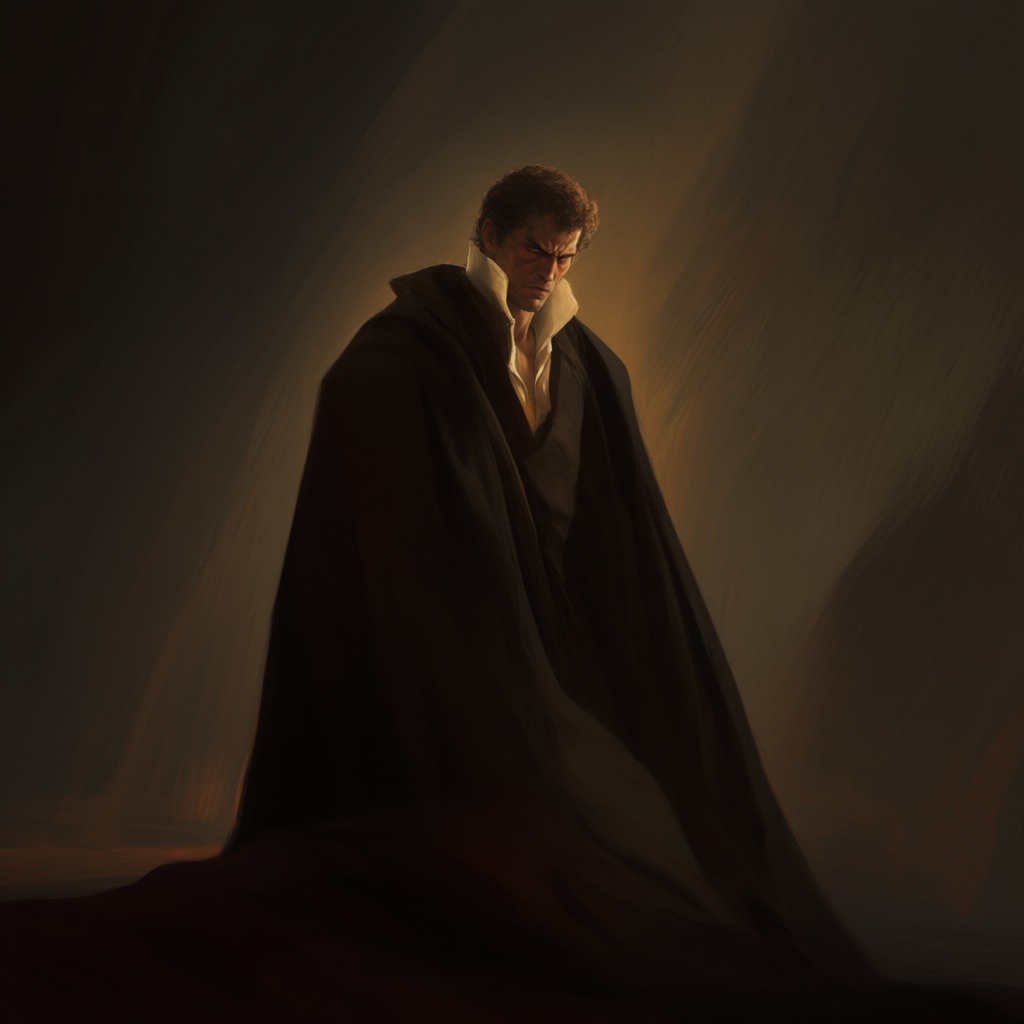
Afghanistan's Political Turmoil
Follows the shifting political landscape from the 1970s monarchy to the Soviet invasion, Mujahideen rule, civil war, Taliban takeover, and post-9/11 rebuilding.
